Every jewelry workshop knows the bottleneck. A batch of casted pieces sits waiting while one or two skilled polishers work through them by hand wheel by wheel, ring by ring. It is slow, inconsistent and expensive. Trained polishers are hard to find and their output varies from person to person, day to day. For many workshops, the polishing bench is the single biggest constraint on how much they can produce.
There is now a better way, and it is called Electro Finishing.
What Electro Finishing Actually Is
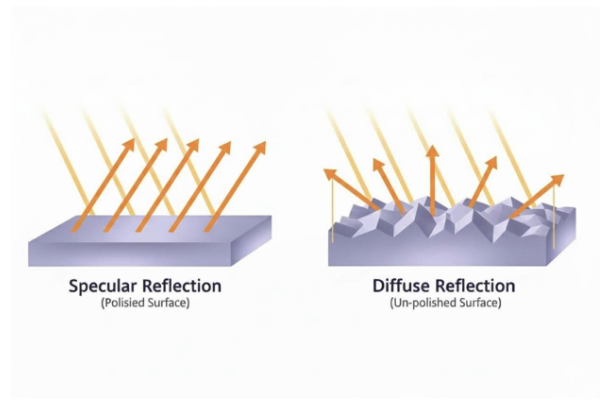
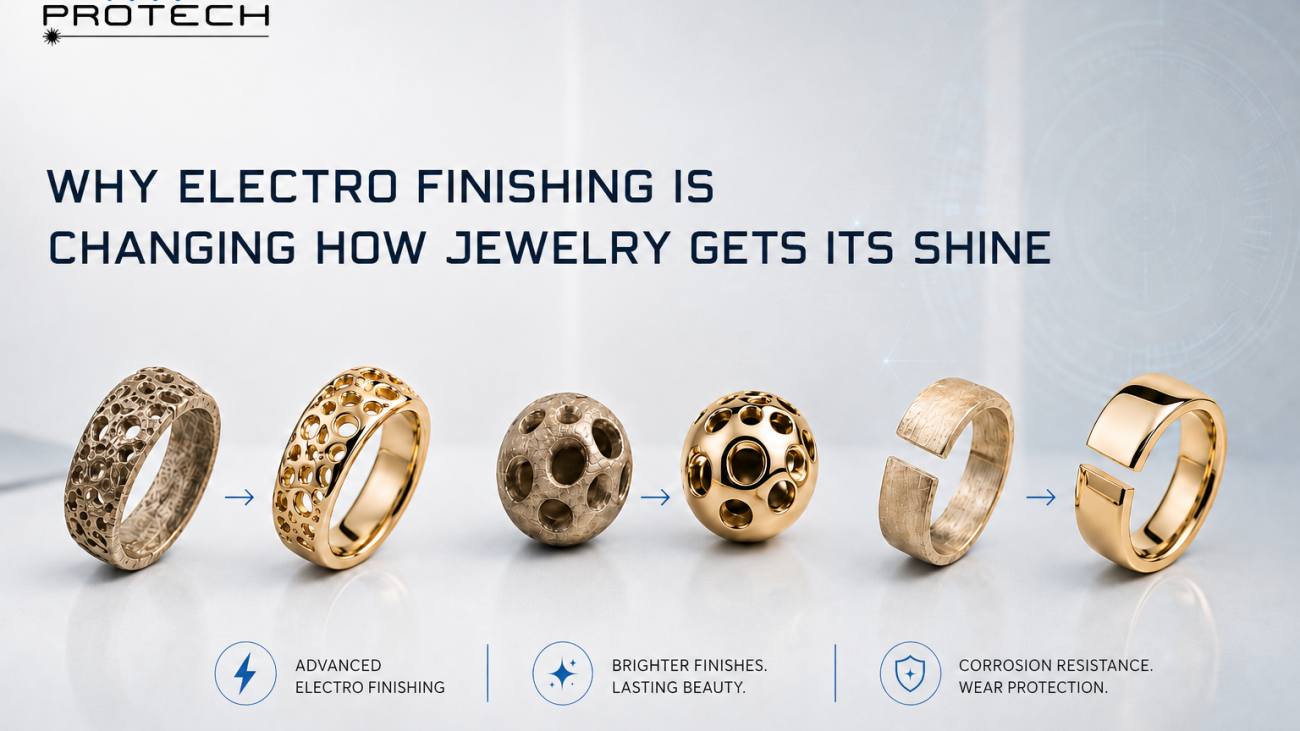
Electro Finishing, often called electropolishing, is an electrochemical process. The piece of jewelry is submerged in a special electrolyte liquid and connected to an electrical current. The current causes microscopic peaks and roughness on the metal surface to dissolve away selectively, leaving behind a smooth surface, uniformly bright surface.
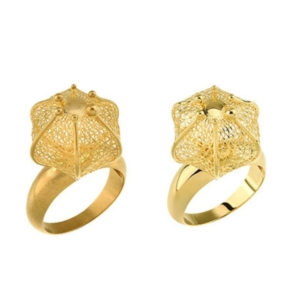
Unlike grinding or abrasive polishing, nothing physically touches the metal. There is no wheel, no compound, no pressure. The process works from the inside out reaching into areas that a polishing wheel physically cannot, including inner contours, filigree details, gemstone settings and the underside of rings.
The result is a metallically pure surface with no micro-scratches, improved corrosion resistance and a high-gloss finish that is consistent across every single piece in the batch.
The Problem with Doing It by Hand
Manual polishing is a skilled trade and that is precisely why it creates problems at scale. A polishing wheel removes metal aggressively. In the hands of a less experienced operator, edges get rounded, fine details get flattened and delicate prongs around gemstones get deformed or weakened. Even experienced polishers produce slightly different results depending on pressure, angle, and fatigue.
Every pass of the wheel removes precious metal. On a gold piece, that lost material disappears into the polishing compound and the air as fine dust and much of it is never recovered. In a workshop doing high volume, this adds up to loss every month.
Hand polishing also cannot reach everywhere. Interior channels, textured surfaces and complex cast geometries require filing and hand tools that take far longer per piece and still often produce an uneven finish. The areas no hand tool can reach simply stay dull.
What Changes with Electro Finishing
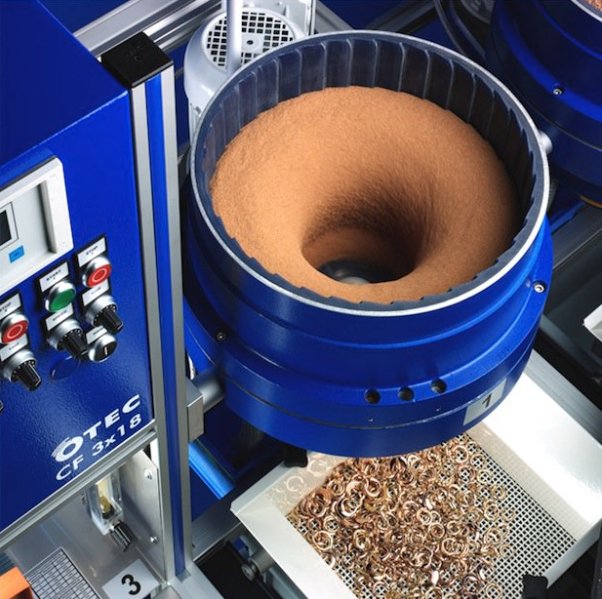
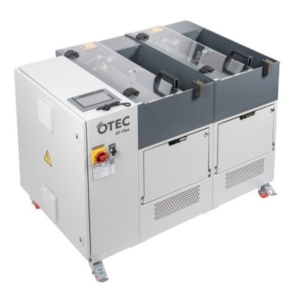
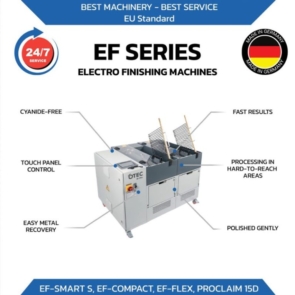
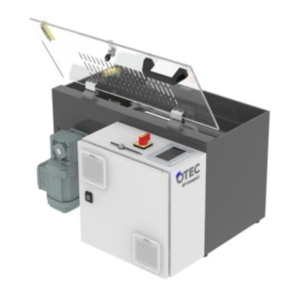
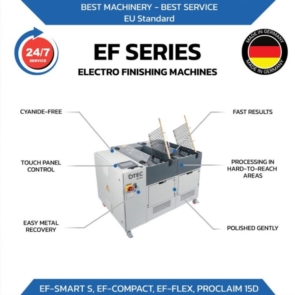
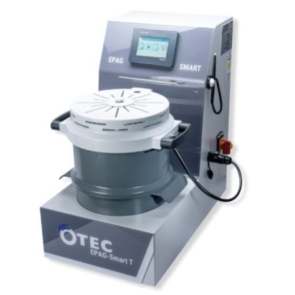
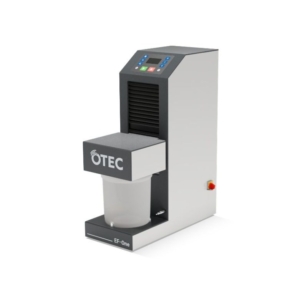
OTEC’s EF series machines available in models from compact desktop units suited to small workshops all the way to production-scale systems replace up to 90% of manual pre-polishing and filing work. A full cycle takes between 10 and 30 minutes, processing multiple pieces simultaneously. The EF-One, for example, handles up to 6 rings per cycle. The EF-Flex processes up to 40 workpieces per container.
Critically, the process is safe for gemstone settings. Diamonds, zirconia and other stones are not damaged. The geometry of the piece is preserved exactly only the surface roughness is removed.
The electrolyte used in modern EF machines is cyanide-free and requires no aggressive acids and the working environment is significantly safer than traditional chemical finishing methods. Recovered gold particles are captured in the liquid through filtration and separated at the cathodes meaning your precious metal loss drops substantially compared to wheel polishing.
Who It Is For
Electro Finishing is not only for large factories. The OTEC EF-One was specifically designed as a plug-and-play entry point for small and medium workshops, with eight pre-installed programs that require no specialist knowledge to operate.
For workshops producing consistent batches whether rings, pendants, bracelets or clasps the economics are straightforward. Less labor time per piece, more consistent output, lower metal loss and a great finish quality on complex geometries.
The Takeaway
The polishing bench is not going away entirely. Skilled finishing work will always have a place for bespoke and repair pieces. But for production batches, Electro Finishing removes the bottleneck, reduces cost and delivers a more consistent result than hand polishing can. The technology has been proven precious metal across gold, silver, stainless steel, titanium and brass and it is now accessible to workshops of every size.
ProTech Transfer Co., Ltd. is the authorised distributor of OTEC finishing machines in Thailand, providing equipment, consumables, and technical support. www.protech-transfer.com